
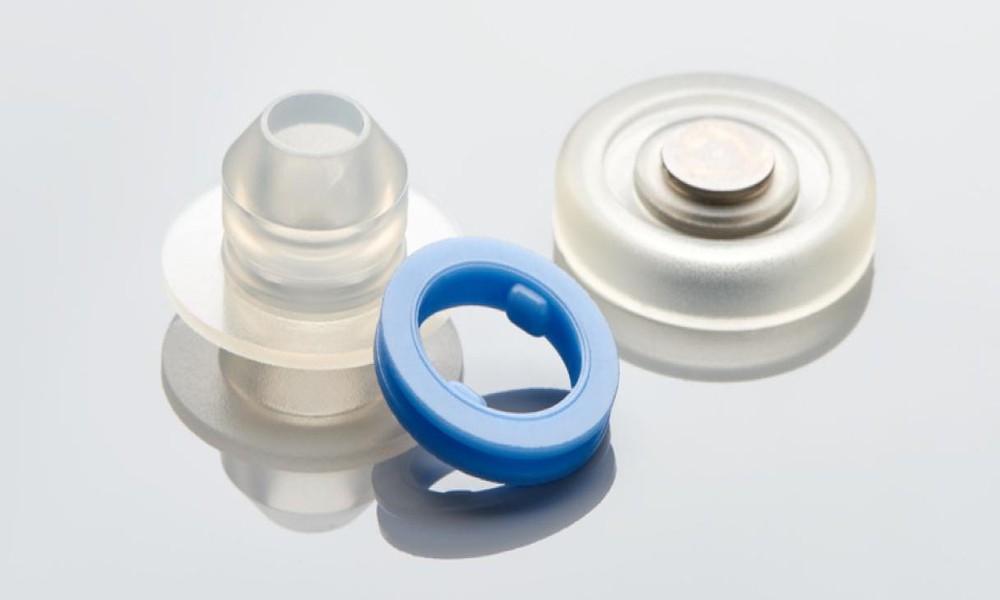
Medical equipment succeeds through dependable material performance. Tiny component failures can trigger costly clinical disruptions. For this reason, silicone remains a preferred engineering choice. Its flexibility, purity, and durability suit healthcare applications well. Manufacturers seeking reliable production inputs often evaluate High Consistency Rubber Vietnam for demanding medical requirements.
Why Does Silicone Influence Device Reliability?
Patient care relies on accurate equipment operation daily. Material selection affects performance long before assembly begins. When seals lose shape, fluid pathways become vulnerable. If tubing hardens, measurement accuracy may suffer. Silicone retains essential properties through repeated healthcare use. As a result, engineers trust it across critical medical systems.
Healthcare products benefit from silicone because it offers:
- Stable dimensions during sterilization cycles
- Strong resistance against chemical exposure
- Flexible performance under repeated movement
- Smooth surface characteristics for hygiene
- Long service life expectations
Precision Components Create Better Clinical Outcomes
Manufacturing accuracy determines how individual parts behave. Even slight dimensional variation creates fitting challenges later. A catheter seal, for example, requires exact compression. Excess pressure damages performance. Insufficient pressure risks leakage. Through tight production control, silicone components maintain predictable behavior throughout operating conditions.
Consider infusion equipment handling sensitive medication delivery. Small sealing inconsistencies may affect fluid management. Well-produced silicone pieces reduce operational uncertainty. Medical teams value equipment delivering dependable results every shift.
What Makes Medical-Grade Silicone Stand Out?
Not every silicone formulation serves healthcare applications equally. Material purity influences safety, durability, and functional stability. Engineers assess mechanical performance before product approval. They examine elasticity retention, tear resistance, and environmental tolerance.
In advanced manufacturing programs, High Consistency Rubber Vietnam materials often attract attention for controlled quality standards and formulation consistency. Those characteristics help component producers meet strict technical specifications while maintaining dependable production output.
Key Performance Features Worth Evaluating
Selecting silicone involves practical technical considerations rather than assumptions.
- Elastic recovery after compression
- Resistance to fluid absorption
- Thermal endurance during sterilization
- Surface integrity under repeated contact
Each characteristic influences product longevity differently. Evaluation requires application-specific testing rather than broad material claims.
Reliability Extends Beyond Individual Components
Device performance depends on interactions between assembled elements. Silicone contributes value through stability across changing conditions. Temperature fluctuations, cleaning procedures, and mechanical stress challenge every medical product. Reliable materials reduce unexpected behavior during operation.
Engineers recognize a simple reality. Strong design alone cannot compensate for inconsistent component quality. Reliable silicone helps preserve intended performance throughout a device’s working life.
From Material Choice to Patient Confidence
A respiratory mask seal maintaining shape after repeated sterilization carries significance beyond engineering metrics. Consistent contact improves patient comfort while preserving functional effectiveness. Reliability becomes visible through dependable clinical experiences rather than technical specifications alone. Material decisions made during manufacturing ultimately influence trust at the point of care.
Reliability Begins Before Assembly
A seal within an infusion system appears insignificant alone. Yet its dimensional accuracy influences medication delivery quality. Such details reveal an important lesson. Medical reliability starts long before healthcare professionals use equipment. It begins with material decisions capable of maintaining performance through sterilization, movement, pressure, and continuous patient-facing service.